
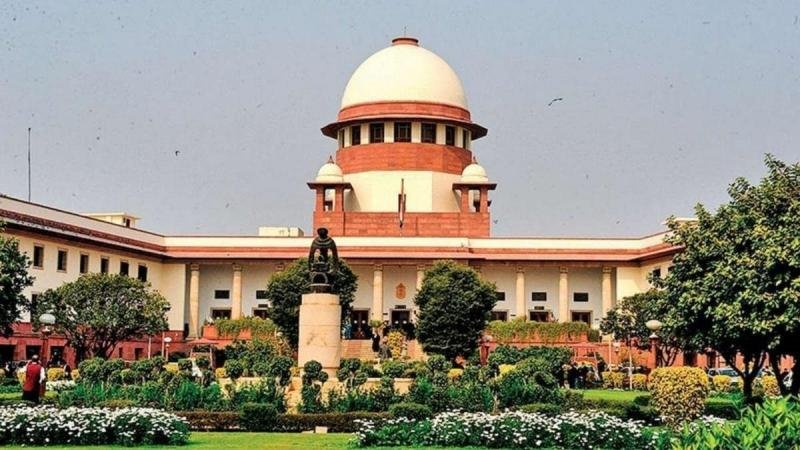

New Delhi. The Supreme Court on Wednesday allowed passive euthanasia for a 31-year-old man. This person was in a state of coma for more than 13 years. Now his artificial life support system was removed. Passive euthanasia is the act of intentionally allowing a patient to die by withholding or withdrawing life-saving equipment or treatment needed to keep them alive.
Harish Rana suffered serious head injuries after falling from the fourth floor of a building in 2013 and has been in a coma for over a decade. A bench of Justices JB Pardiwala and KV Vishwanathan directed AIIMS to admit Rana to the palliative care unit so that medical treatment can be discontinued. The bench said it should be ensured that the process of discontinuing the treatment is carried out with a well-planned plan so that Rana’s dignity is maintained. Earlier, the Supreme Court had expressed its desire to meet the parents of the 31-year-old youth. The court had studied the medical history report of Rana prepared by a secondary medical board of doctors of AIIMS-Delhi and remarked that it was a sad report.
According to the report, the condition of that person was pathetic.
After examining the condition of the patient, the First Aid Committee had emphasized that the chances of his recovery were negligible. The Supreme Court had said on December 11 that according to the report of the First Aid Board, the condition of the person was pathetic. According to the guidelines issued by the Supreme Court in 2023, a primary and a secondary medical board will have to be constituted to seek expert opinion regarding removal of artificial life support system for a patient lying in coma.