
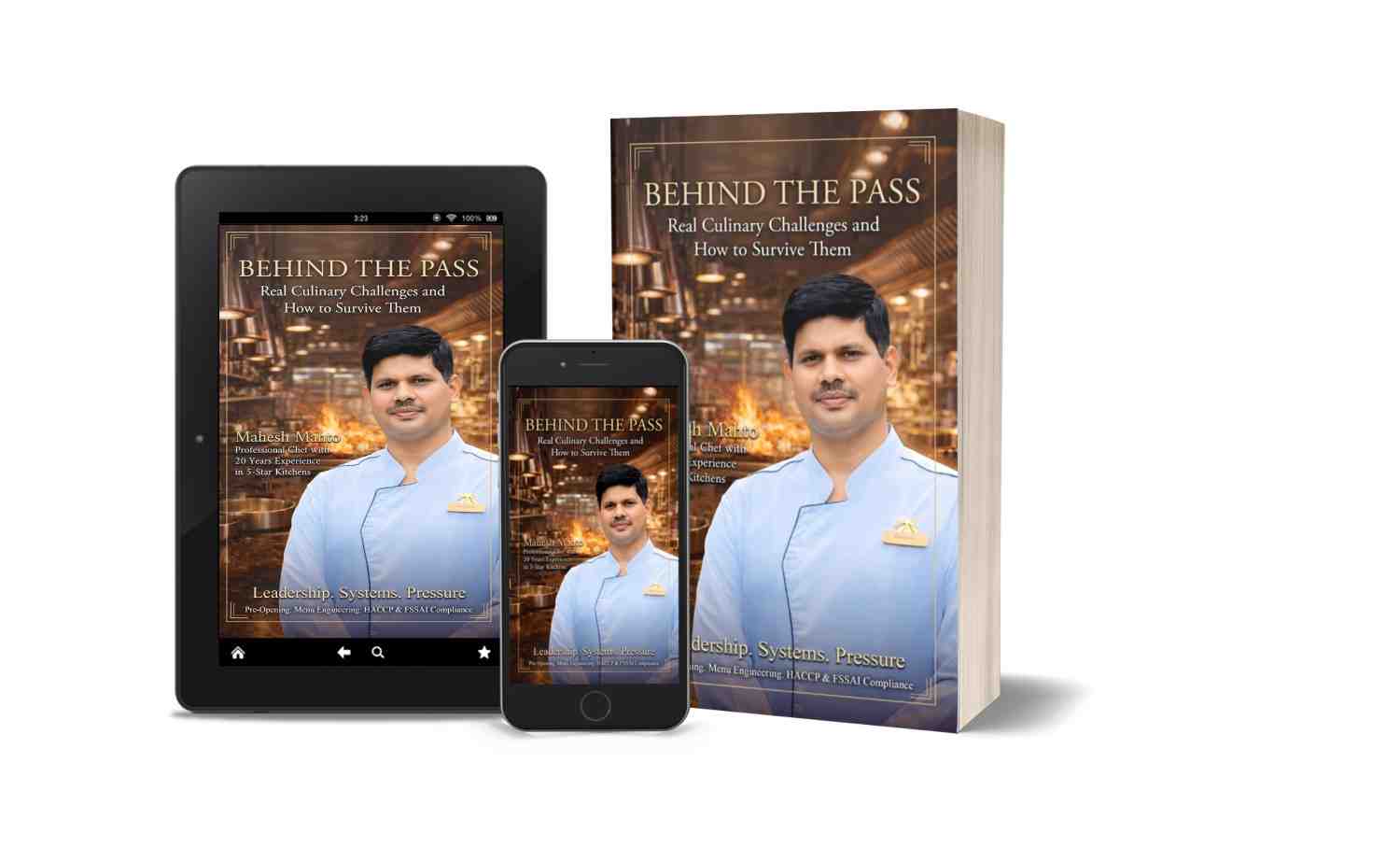
Every restaurant has its defining moment each day—peak service hours. It is the time when everything is tested: preparation, coordination, speed, and discipline. From the outside, it may look like a smooth flow of dishes leaving the kitchen. Inside, it is a highly controlled form of pressure management.
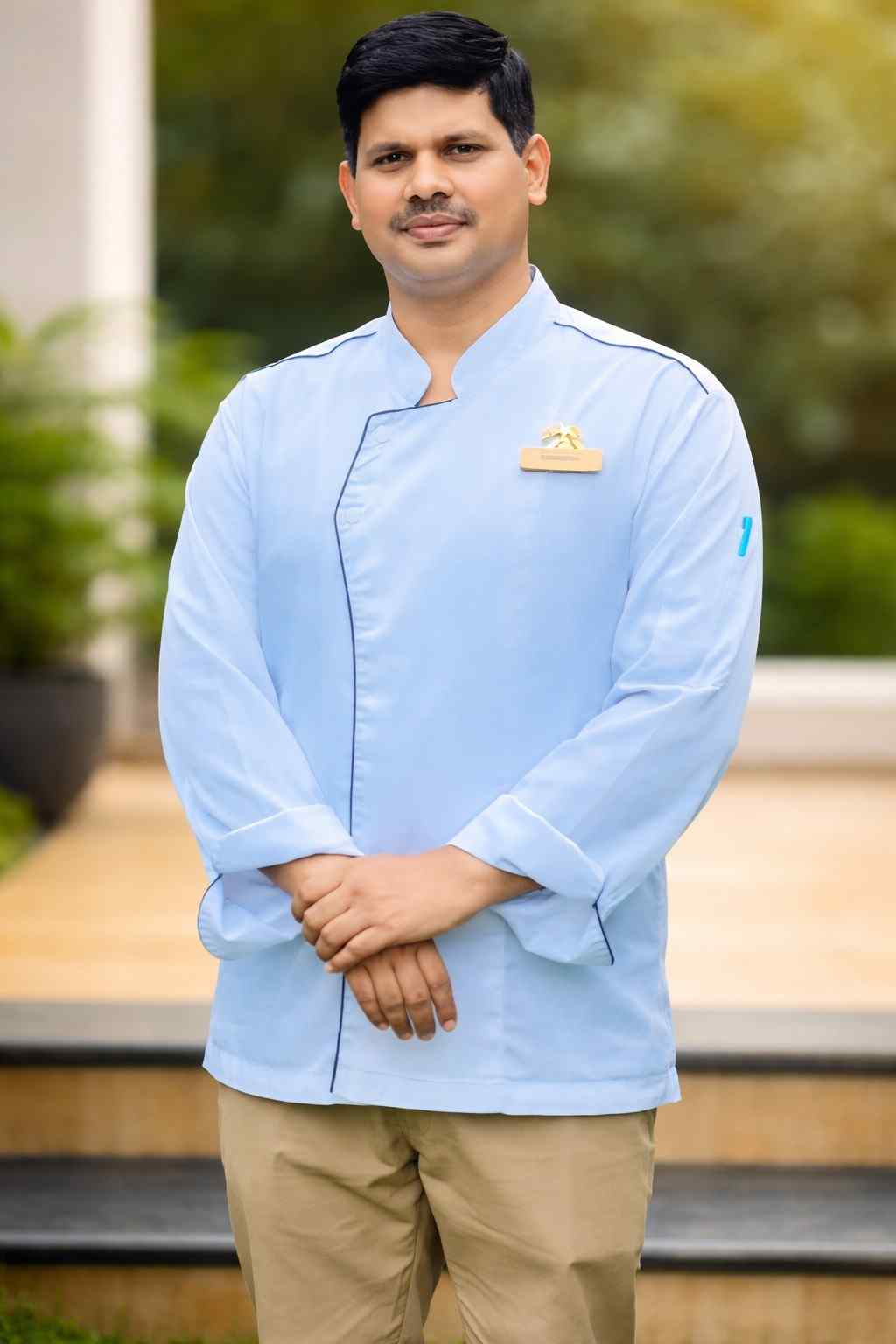
Chef Mahesh Mahto describes peak hours as the “truth phase” of any kitchen. It is the point where systems either hold together or begin to collapse.
The Build-Up Before the Rush
Peak hour pressure does not start when orders flood in. It begins much earlier, during preparation. If prep work is incomplete, poorly timed, or inconsistent, the impact only becomes visible later.
A well-prepared kitchen enters service with confidence. A poorly prepared one enters with hidden risks.
The First Wave of Orders
The beginning of service often feels manageable. Orders come in gradually, and the kitchen operates smoothly. This phase can create a false sense of control.
However, this is also when small inefficiencies begin forming:
- Slight delays in plating
- Misaligned station timing
- Minor communication gaps
These issues are not immediately visible but accumulate quickly.
When Systems Are Tested
As order volume increases, systems are pushed to their limits. Every delay becomes more noticeable, and coordination becomes more difficult.
This is where structured kitchens and unstructured kitchens begin to diverge sharply.
Structured kitchens maintain rhythm. Unstructured kitchens lose synchronization.
The Domino Effect of Delay
One of the most critical phenomena during peak hours is the domino effect. A delay in one station affects multiple dishes downstream.
For example:
- A late grill item delays plating
- Delayed plating slows service runners
- Table service timing is disrupted
What begins as a small issue spreads rapidly.
Communication Under Intensity
During peak hours, communication becomes fast, minimal, and sometimes incomplete. Without structure, this leads to misunderstandings.
Clear systems ensure that even under pressure:
- Orders are acknowledged correctly
- Changes are communicated instantly
- Priorities are understood without confusion
Emotional Pressure in Real Time
As pressure increases, emotional responses begin to surface. Stress affects decision-making, focus, and coordination.
Chef Mahto highlights that kitchens must be trained to separate emotion from execution. Emotional reactions often worsen operational problems.
The Role of Leadership During Peak Hours
Leadership becomes crucial during high-pressure service. Effective leaders:
- Maintain calm presence
- Prioritize issues logically
- Prevent panic from spreading
- Ensure system adherence
Leadership is less about intervention and more about stabilization.
Recovery Windows
Even during peak hours, there are small recovery windows where kitchens can regain control. Identifying and using these moments is essential.
Strong kitchens use these windows to:
- Reset station balance
- Catch up delayed items
- Reorganize workflow
Weak kitchens fail to recognize these opportunities.
Conclusion
Peak service hours reveal the true strength of a kitchen. They expose weaknesses, test systems, and define performance. According to Chef Mahesh Mahto, kitchens that survive peak pressure are not necessarily the most skilled—they are the most structured.
Media Coverage & External Links
Read the full feature:
Interview:
Also featured in The Literature Times:
Get Your Copy
The pass is open.
- Amazon — https://lnkd.in/gh__9vkJ
- Flipkart — https://lnkd.in/gVcFjHTa
- Astitva Store — https://lnkd.in/gpmc_vpp
- Classic Shelf — https://lnkd.in/g7_k4TpW