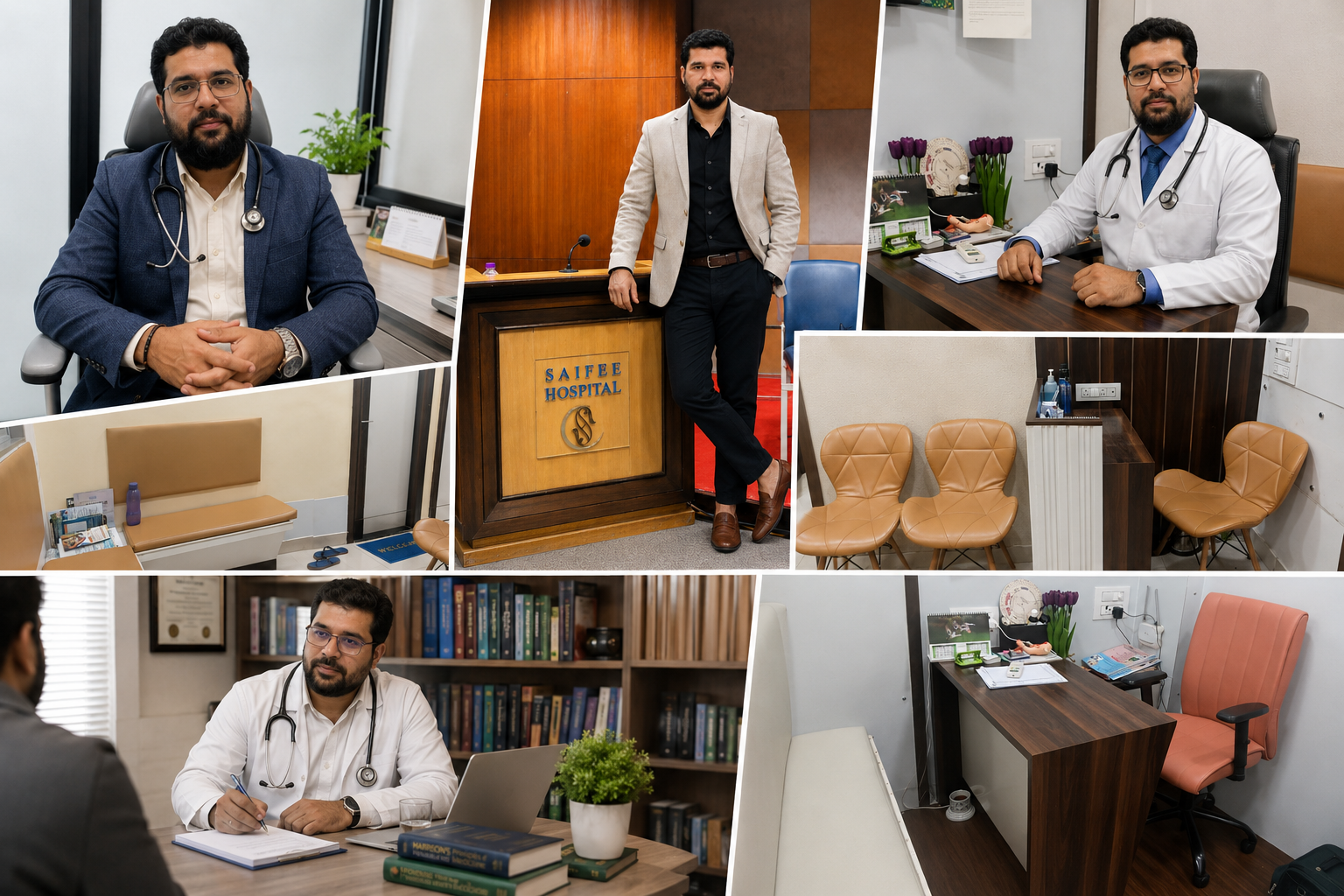
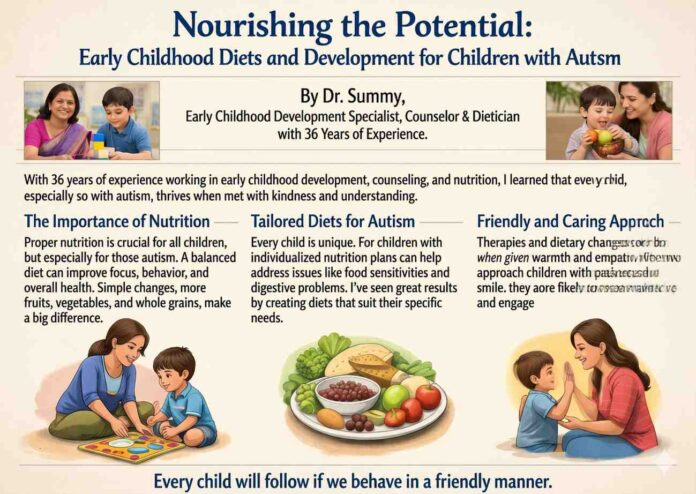
Searching for a top child development doctor in Gaya? Get effective autism treatment solutions tailored to your child’s needs. Our therapies focus on communication, behavior management, and cognitive development using structured and proven techniques. Early support helps children improve learning and social interaction skills. Parents receive proper guidance to continue therapy at home for better results.
If your child needs professional support, connect via WhatsApp at 9437164832 to get expert consultation and personalized care.
How to Improve Communication Skills in Autistic Children Naturally
Improving communication skills in children with autism is one of the most important goals for parents and caregivers, as communication forms the foundation of learning, social interaction, and emotional expression. Many parents worry when their child does not speak, avoids eye contact, or struggles to express basic needs. Questions like “How can I help my autistic child talk?” or “What are natural ways to improve communication?” are very common. Autism, or Autism Spectrum Disorder (ASD), affects how children understand language and use it to connect with others. However, with the right approach, patience, and consistent effort, communication skills can improve significantly over time. The key is to understand that communication is not limited to speech alone—it includes gestures, expressions, sounds, and other forms of interaction.
Children with autism often experience delays in speech and language development, but this does not mean they are unable to communicate. In many cases, they may understand more than they can express. Some children may use sounds, gestures, or behaviors to communicate their needs, while others may rely on repetitive words or phrases. Recognizing and encouraging these early forms of communication is essential, as they provide a starting point for further development. Instead of focusing only on spoken words, parents should pay attention to all forms of expression and respond positively to them. This helps the child feel understood and encourages them to communicate more.
One of the most effective ways to improve communication naturally is by using simple and clear language. Children with autism may find it difficult to process long or complex sentences, so breaking communication into short, direct phrases can make it easier for them to understand. For example, instead of giving multiple instructions at once, parents can provide one clear instruction and wait for the child to respond. Speaking slowly and using a calm tone also helps reduce confusion and stress. Repetition is equally important, as children with autism often need repeated exposure to words and phrases before they fully understand and use them.
Visual support is another powerful tool in developing communication skills. Many children with autism are visual learners, meaning they understand information better when it is presented through images rather than words. Using picture cards, charts, or visual schedules can help children connect words with objects and actions. For instance, showing a picture of a glass when offering water can help the child associate the word with the object. Over time, this association strengthens understanding and encourages the child to use the word independently. Visual aids can also be used to teach daily routines, emotions, and social interactions, making communication more structured and accessible.
Encouraging non-verbal communication is equally important, especially for children who are not yet speaking. Gestures such as pointing, nodding, or waving can serve as effective ways for children to express their needs and interact with others. Parents can model these gestures during daily activities and gently encourage the child to imitate them. For example, pointing to an object while naming it can help the child understand its meaning and learn to use the gesture themselves. Eye contact, although sometimes challenging for children with autism, can also be encouraged gradually and gently, without forcing the child or creating discomfort.
Following the child’s interests is another natural and effective way to improve communication. Children are more likely to engage and respond when the activity is enjoyable and meaningful to them. If a child shows interest in a particular toy, game, or topic, parents can use that interest as a starting point for interaction. For example, playing with a favorite toy together provides an opportunity to introduce new words, ask simple questions, and encourage responses. This approach not only improves communication but also strengthens the emotional bond between parent and child.
Giving the child enough time to respond is a crucial aspect that is often overlooked. Children with autism may need more time to process information and formulate a response. Interrupting or repeating instructions too quickly can increase confusion and pressure. By patiently waiting and allowing the child to respond at their own pace, parents create a supportive environment that encourages communication. Even if the response is not perfect, acknowledging the effort is important, as it builds confidence and motivates the child to try again.
Positive reinforcement plays a key role in encouraging communication. Praising the child for any attempt to communicate, whether through words, gestures, or sounds, helps reinforce the behavior. Rewards can be simple, such as verbal praise, a smile, or access to a favorite activity. Over time, the child learns that communication leads to positive outcomes, which increases their willingness to engage. It is important to focus on effort rather than perfection, as every small step is a sign of progress.
Creating a communication-friendly environment at home can further support development. Reducing background noise, maintaining eye-level interaction, and using a calm tone can make it easier for the child to focus and respond. Consistency in communication is also important. Using the same words for the same actions or objects helps the child build understanding and reduces confusion. For example, consistently using the word “water” instead of switching between “water,” “drink,” or “juice” helps the child learn more effectively.
In addition to natural methods, professional support such as speech therapy can significantly enhance communication skills. Speech therapists are trained to assess the child’s needs and develop personalized strategies to improve both verbal and non-verbal communication. They may introduce techniques such as structured play, sound imitation, and alternative communication systems. When combined with consistent practice at home, these therapies can lead to noticeable improvements over time.
Emotional support is another essential factor in communication development. Children with autism need to feel safe, understood, and accepted in order to express themselves. Parents should avoid showing frustration or impatience when communication is difficult. Instead, maintaining a calm and encouraging attitude helps the child feel more comfortable and willing to try. Spending quality time together, engaging in interactive activities, and showing affection all contribute to a positive emotional environment that supports communication.
Lifestyle factors such as nutrition, sleep, and physical activity also influence communication skills. A balanced diet supports brain function, while proper sleep improves attention and responsiveness. Physical activities can help reduce stress and improve overall well-being, making it easier for the child to engage in communication. Limiting screen time is also important, as excessive exposure can reduce opportunities for real-life interaction and learning.
Parents should remember that improving communication in children with autism is a gradual process that requires patience and consistency. Progress may be slow, but it is meaningful. Comparing the child with others can create unnecessary pressure and should be avoided. Instead, focusing on individual growth and celebrating small achievements can make the journey more positive and rewarding.

If parents feel concerned about their child’s communication development or need guidance on effective strategies, seeking professional help is an important step. Early intervention can provide the support needed to improve communication skills and overall development. For guidance or to share patient details, you can connect via WhatsApp at 9437164832.
In conclusion, improving communication skills in autistic children naturally involves understanding their unique way of learning and responding. By using simple language, visual support, positive reinforcement, and consistent practice, parents can create an environment that encourages communication and growth. With patience, love, and the right strategies, children with autism can develop meaningful ways to express themselves and connect with the world around them. Every attempt to communicate is a step forward, and with continuous support, those steps can lead to lasting progress and confidence.