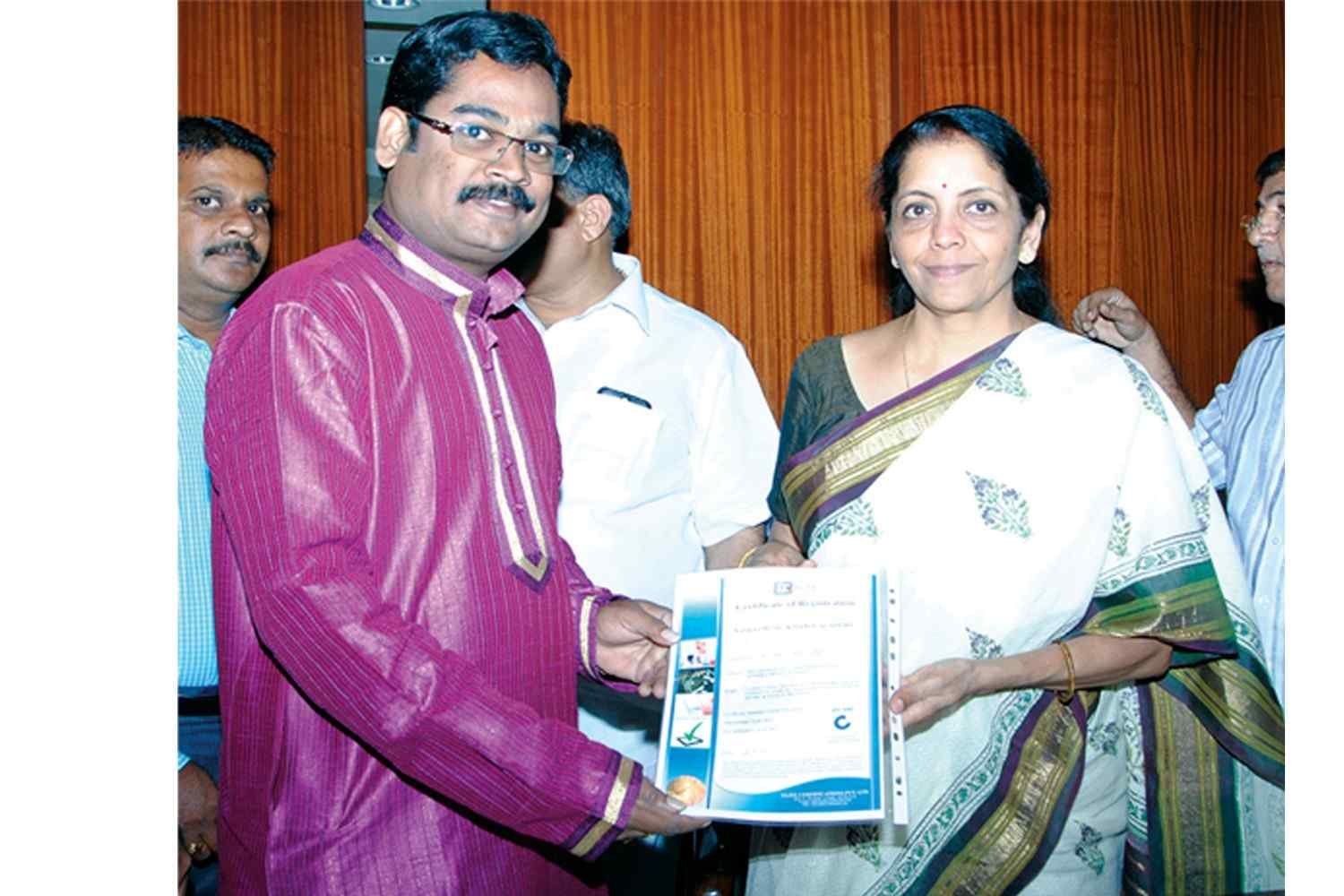
For centuries, Indian classical arts have relied on the close relationship between gurus and disciples. Within this traditional system, knowledge was transmitted through observation, practice, repetition and personal guidance. But as cultural practices evolve and generations change, preserving this knowledge also requires written records, research and responsible documentation. Cultural organiser and Kuchipudi exponent Vikram Kumar B R, popularly known as Bathina Vikram Goud, has made documentation and cultural journalism an important part of his wider work in the Indian classical arts.
The traditional gurukulam system represents much more than technical training. A student learns movements, repertoire and performance discipline, but also absorbs stories, artistic values, interpretations and knowledge accumulated by earlier generations. Much of this information has historically been transmitted orally, making documentation particularly important for ensuring that valuable cultural knowledge is not lost.
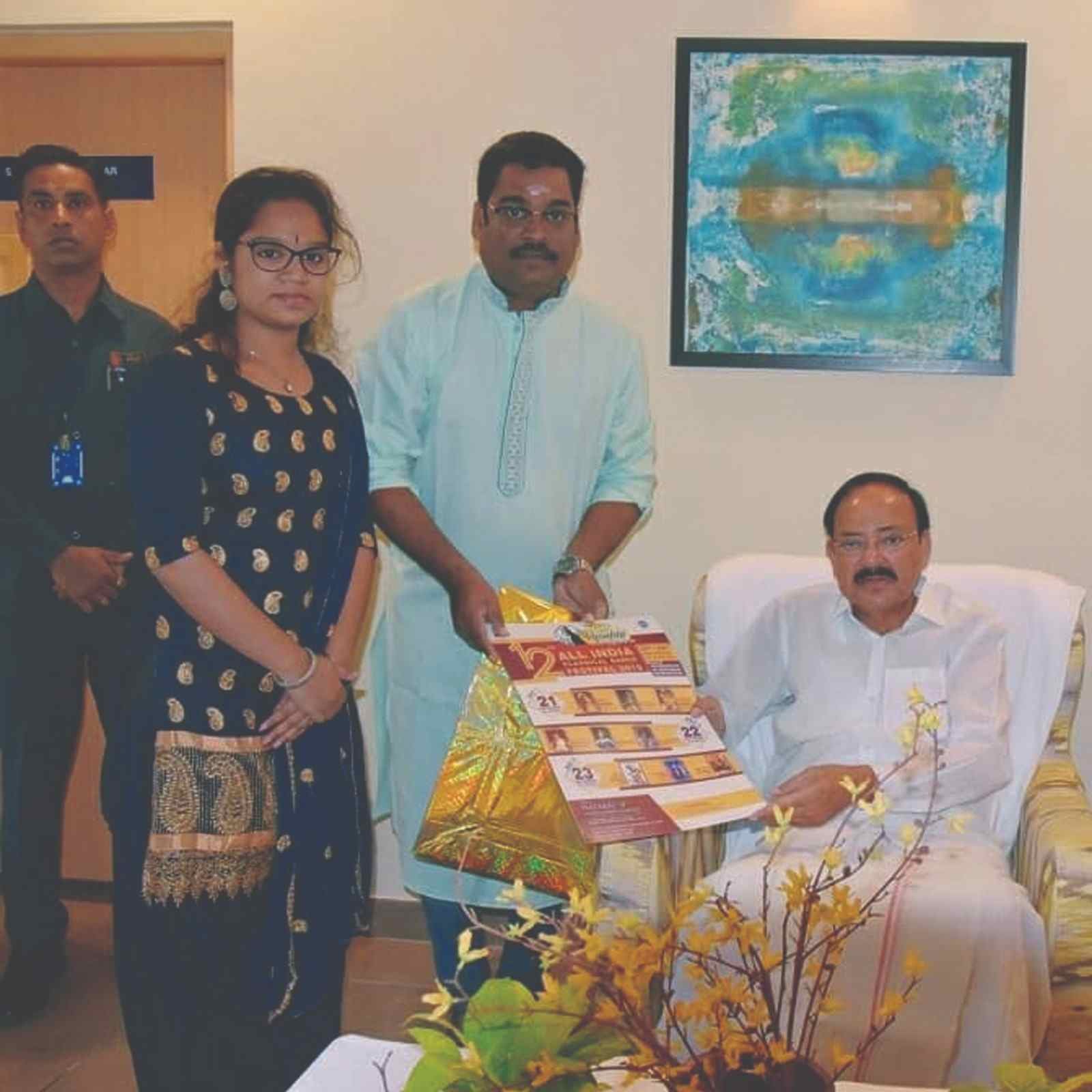
Vikram Kumar B R’s approach recognises that live performance and written documentation should complement one another. Festivals provide artists with stages, academies provide training, while publications and archival efforts can preserve information for researchers, students and future practitioners.
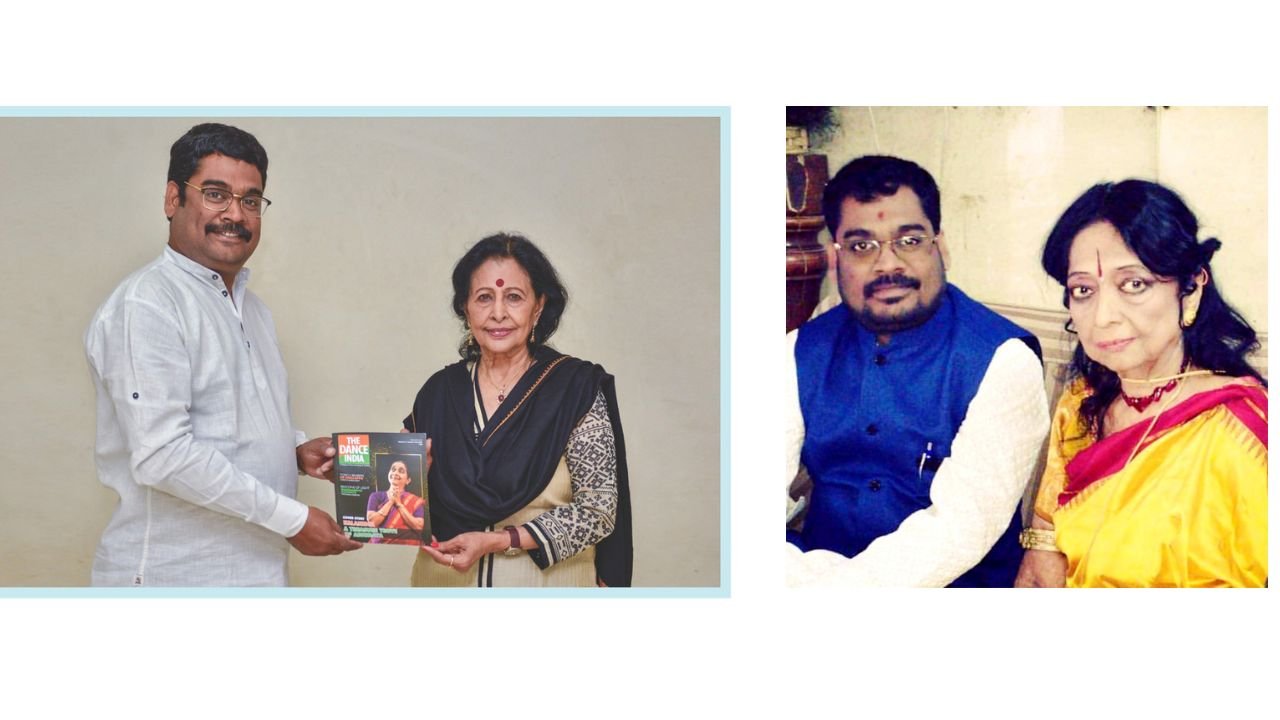
This philosophy has been reflected in his association with The Dance India, a national English-language monthly cultural publication focused on Indian dance. The publication has carried articles dealing with artists, performances, dance traditions and cultural issues, creating a written record alongside the country’s continuing performance culture.
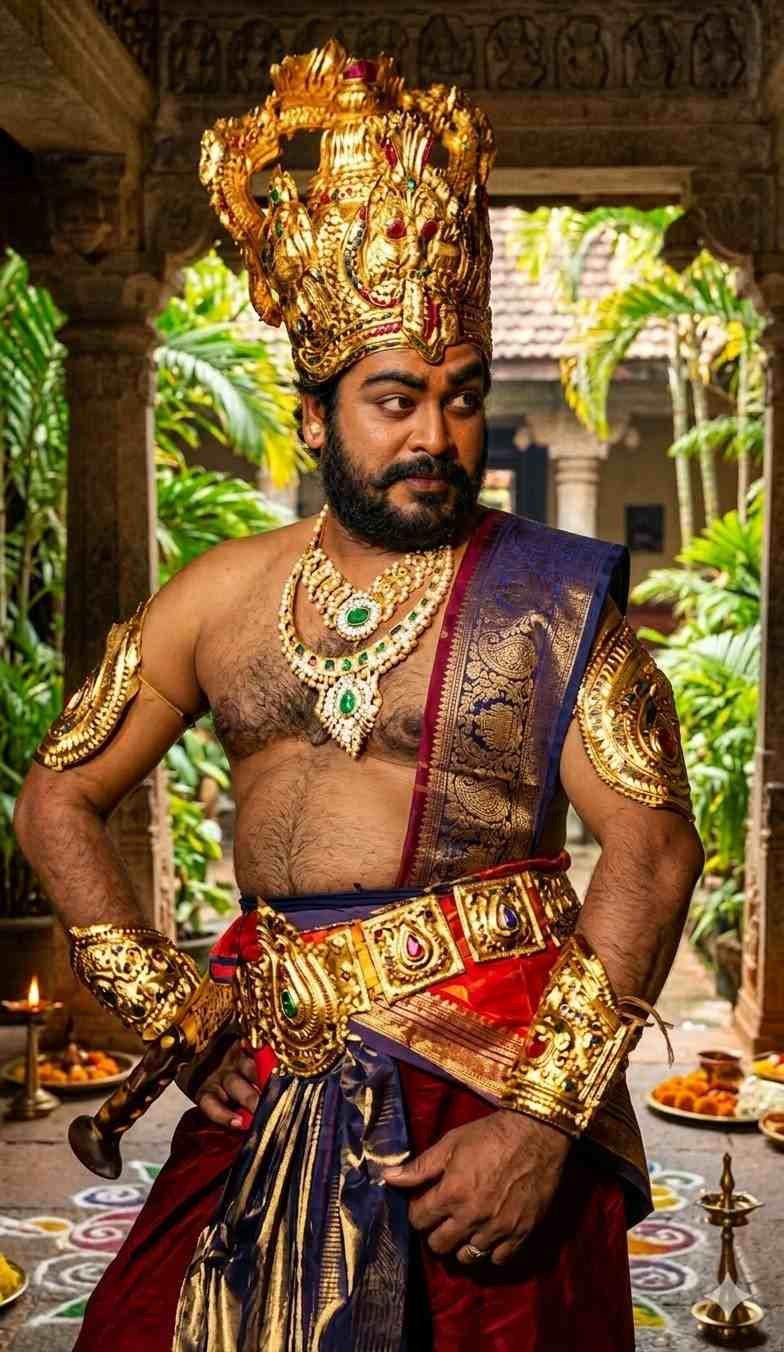
Cultural journalism can play a particularly important role in preserving the legacy of senior artistes. Many accomplished performers have spent decades contributing to their respective traditions, but their experiences may not always be adequately recorded. Interviews, profiles, historical articles and performance documentation can ensure that their contributions remain accessible to future generations.
Documentation is also important for understanding how dance traditions develop. A classical form may have established principles, but its performance history includes different schools, gurus, choreographic interpretations and regional practices. Recording these developments allows students and researchers to understand the context behind what they see on stage.
Vikram Kumar B R’s own academic and artistic journey illustrates the connection between practice and research. He completed a Master’s degree in Kuchipudi and undertook research into Siva Thandavam and Saptha Thandavam within the Kuchipudi tradition. His academic work demonstrates how traditional artistic knowledge can be examined through structured research while remaining connected to practical performance.
His wider cultural activities have similarly combined performance and documentation. Through festivals, theatre, educational programmes and publications, he has worked across different parts of the cultural ecosystem.
The need for documentation has become even more urgent in the digital era. Information can now be copied, modified and redistributed within seconds. Without reliable records, original sources can become difficult to identify, while artistic contributions may be separated from their creators or historical context.
For this reason, responsible cultural journalism can serve as a bridge between the past and the future. It can record who created a work, who performed it, how a tradition developed and what cultural circumstances influenced it.
The objective is not to replace the gurukulam tradition but to strengthen its legacy. A student learning from a guru today can benefit from written and recorded material created by earlier generations. Researchers can use archived material to study developments over time, while audiences can gain a deeper understanding of the traditions they watch.
Documentation also supports cultural recognition. When the achievements of artistes and teachers are properly recorded, their contributions become part of a broader historical narrative rather than remaining limited to personal memories or individual institutions.
Vikram Kumar B R’s cultural philosophy therefore treats preservation as a multidimensional responsibility. Dance must be performed, students must be trained, festivals must provide opportunities, artists must be recognised and knowledge must be documented.
In this context, cultural journalism becomes an extension of artistic preservation. It creates a written trail through which the work of practitioners can reach people who may never have had the opportunity to meet them personally.
The continuing relevance of the gurukulam legacy ultimately depends on successful transmission. Traditional knowledge must move from one generation to another without losing its identity or context. While the guru remains central to artistic education, documentation can provide another layer of continuity.
Through his involvement in cultural journalism, research and documentation, Vikram Kumar B R has highlighted the importance of recording India’s artistic heritage alongside preserving it on the stage.
The larger message is clear: a tradition survives not only when it is performed, but also when its knowledge, history and contributors are carefully remembered and documented for those who will inherit it.