Contemporary art is often described through the language of artists, artworks, exhibitions and institutions. Yet an equally important element is the audience. What happens when people are not simply asked to look at an artwork, but are invited to become part of the experience surrounding it?
For Indian contemporary artist Satyabhama Majhi, this question has particular significance. Her work across painting, sculpture, installation, public art, community-based practice and art education frequently creates situations in which people can observe, respond, contribute and share experiences. Rather than treating the viewer as someone standing outside the artwork, her practice opens possibilities for participation.
This approach is visible across her work with communities, children, public spaces, artists and cultural practitioners. It also reflects a broader understanding of contemporary art as something that can exist not only on a gallery wall, but within social and cultural life.
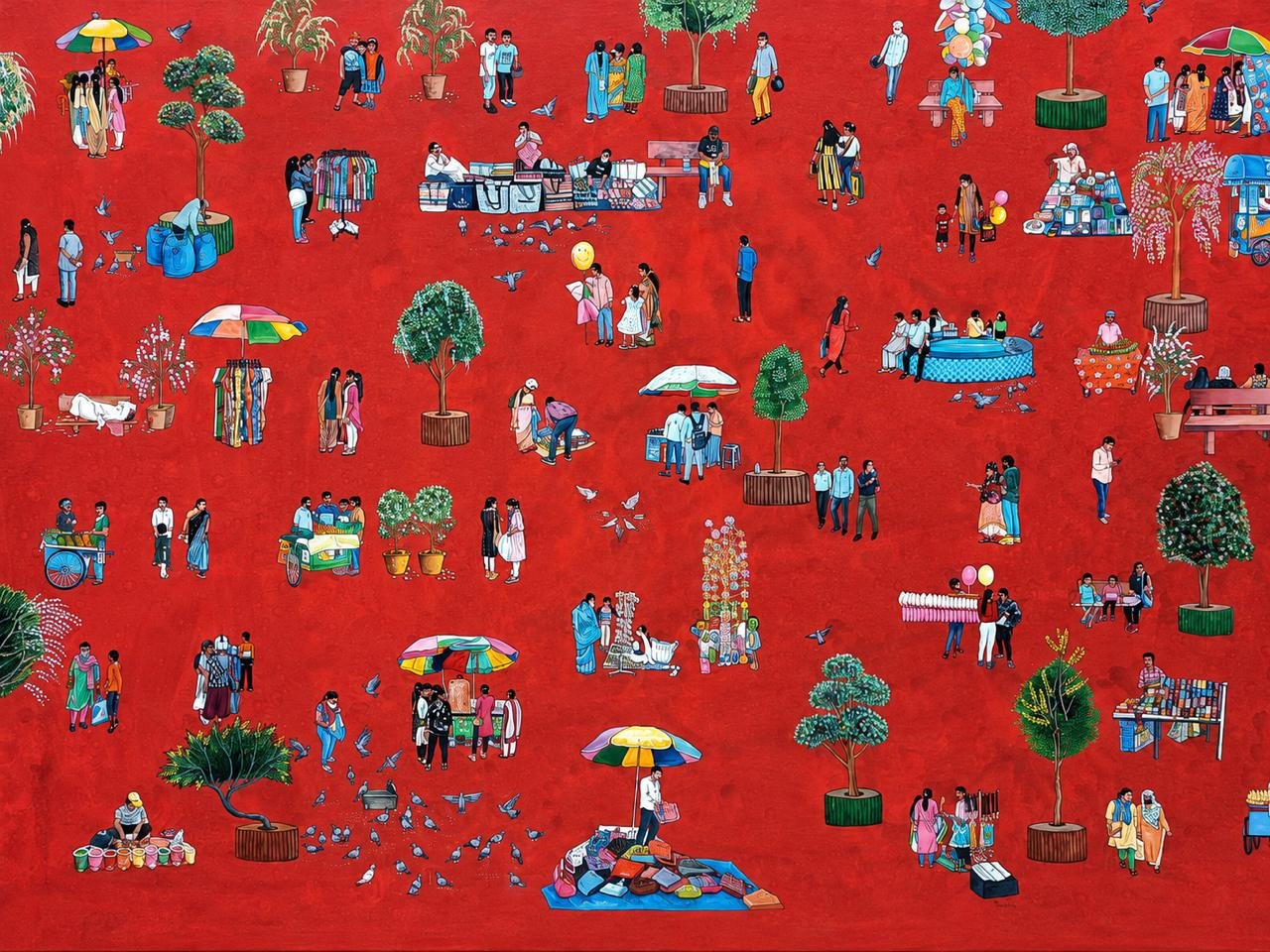
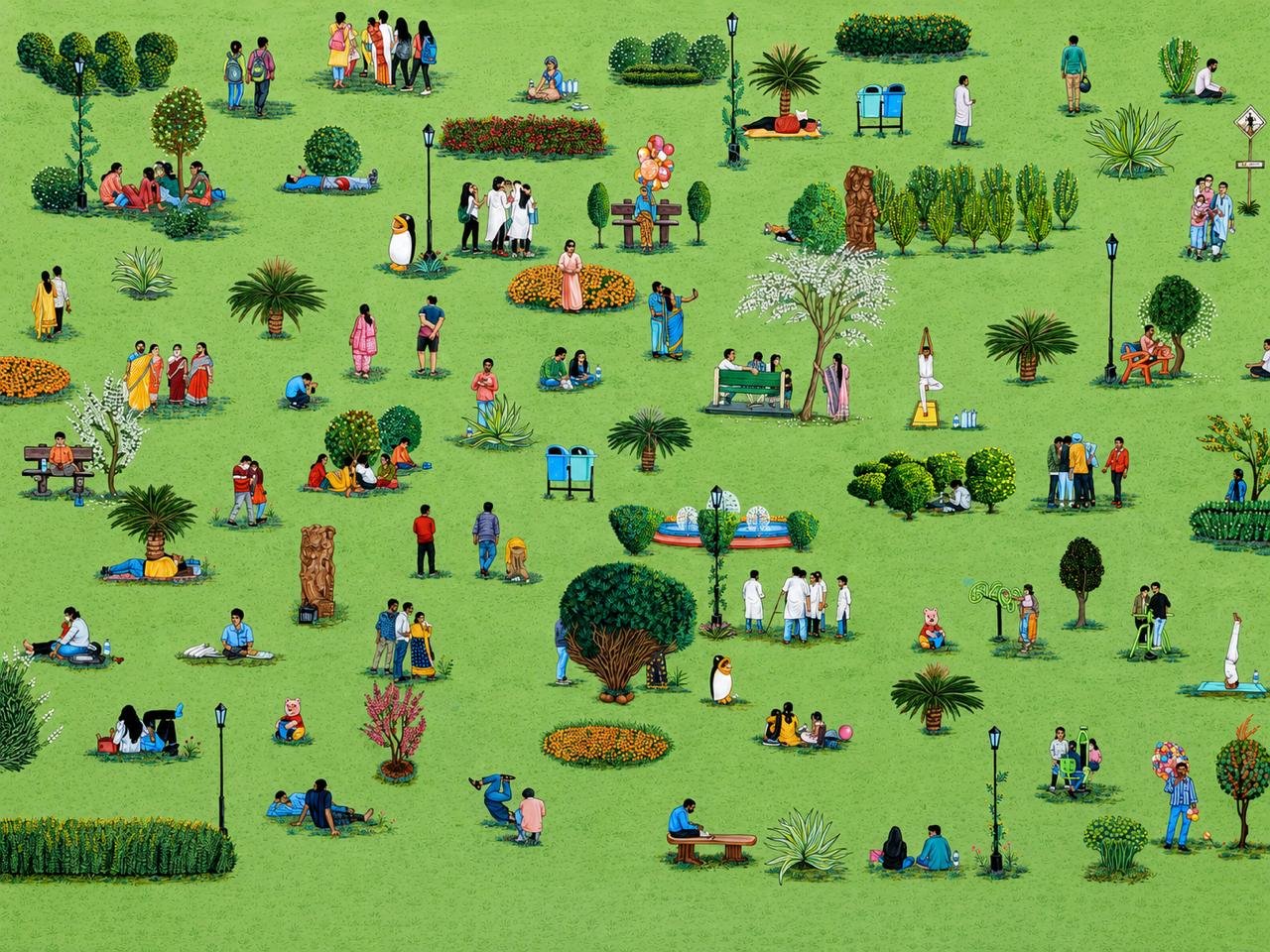
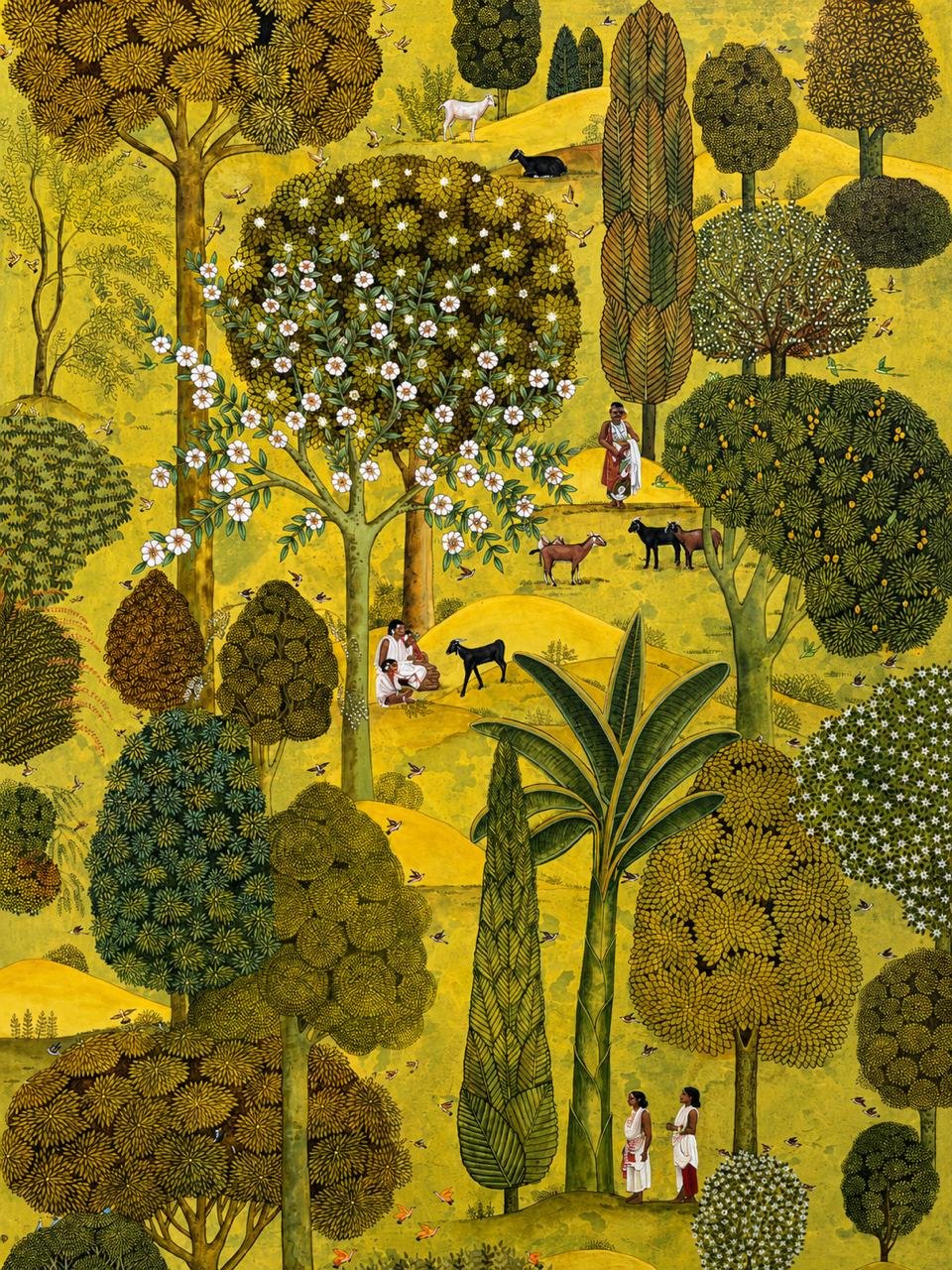
Beyond the Traditional Viewer
In a conventional gallery setting, the relationship between artwork and audience can appear relatively straightforward: the artist creates, the institution presents, and the viewer observes.
Majhi’s practice often complicates this relationship.
A public artwork encountered in a neighbourhood does not necessarily have the same kind of audience as a painting displayed in a gallery. Children participating in an art workshop are not merely looking at finished works. Community members involved in a creative project may contribute their experiences and knowledge. Artists and artisans working together can influence the visual direction of a collaborative project.
These situations create a more active relationship between art and audience.
The viewer can become an observer, participant, contributor or even a carrier of memory.
Public Art and Everyday Audiences
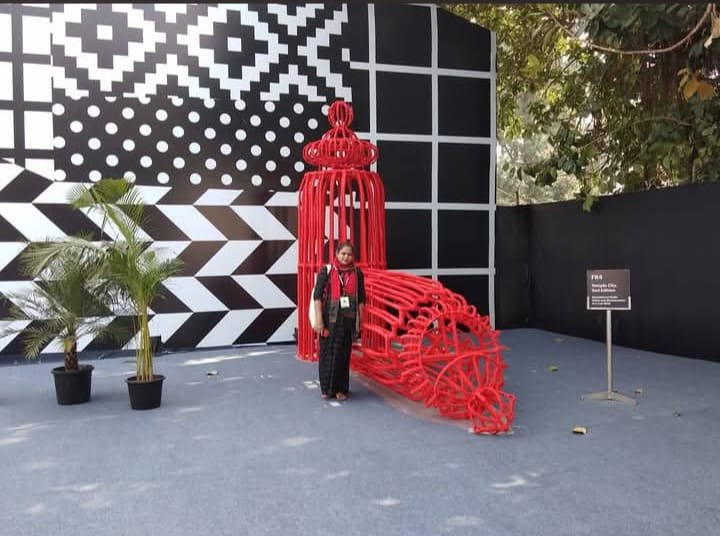
One of the strongest ways Majhi expands the idea of the audience is through public art.
A work placed in a public environment does not wait for visitors to enter a gallery. It encounters people during ordinary life. Someone may see a mural while walking through a neighbourhood, passing through a public road or attending a cultural or sporting event.
This changes the experience of viewing.
People may encounter the artwork unexpectedly. They may discuss it with others, remember it later or connect its imagery with their own surroundings. The artwork becomes part of the visual environment rather than remaining separated from everyday experience.
Projects and murals associated with public spaces in Odisha demonstrate this potential. In such settings, art can become part of community memory.
The audience is therefore not simply consuming an artistic object. It is experiencing art within a particular place.
Participation as a Creative Method
Participation in Majhi’s work is not limited to the final viewing experience. It can also become part of the creative process itself.
Her community-based projects involve engagement with people, local environments and existing cultural practices. Such work requires listening and interaction before artistic decisions are made.
This creates an important shift in the role of the artist.
Instead of approaching a community only as a subject to be represented, the artist can engage with people as participants in a cultural conversation. Their experiences, observations and knowledge can influence how a project develops.
The resulting artwork can therefore contain multiple perspectives rather than a single artistic viewpoint.
Children as Active Participants
Majhi’s long involvement with children and educational communities provides another important example.
Her workshops encourage children to observe their surroundings and express their own experiences rather than simply reproducing predetermined images. Everyday subjects—including family activities, trees, animals, festivals, journeys and memories—can become starting points for creative expression.
Here, the child is not merely an audience member receiving information about art.
The child becomes a creator.
This distinction is significant because it changes art education from passive learning into exploration. Children are encouraged to look carefully, remember, imagine and interpret.
The artwork becomes evidence of personal observation.
People’s Wall and Collective Participation
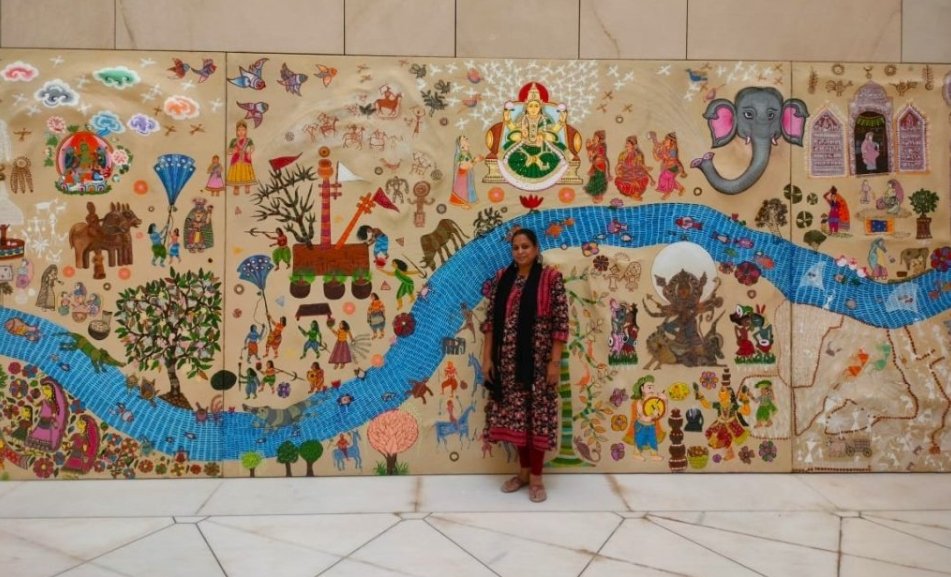
The project People’s Wall – Jan, Janani and Janmabhumi, created in connection with the New Parliament House in 2023, offers another powerful example of collective artistic participation.
Majhi served as a Co-Sutradhar and creative contributor to the participatory project, which brought together women artists and artisans from different regions of India through the Lalit Kala Akademi.
The importance of such a project extends beyond its visual appearance.
Different regional artistic traditions and cultural experiences came together within a larger national context. The project created a space where individual practitioners could contribute to a collective cultural expression.
The audience encountering the finished work consequently encounters more than an isolated artist’s vision. It encounters traces of regional traditions, community knowledge and collective creativity.
When Place Becomes Part of the Audience Experience
Majhi’s relationship with place also influences how audiences encounter her work.
Her engagement with Odisha, Bhubaneswar, Cuttack and the Niyamgiri region has produced artistic reflections on landscape, cultural memory, indigenous knowledge and changing environments.
When such themes enter public or community-oriented art, local people can interpret them through their own experiences.
A mountain form may evoke landscape.
A familiar pattern may recall cultural tradition.
An image of everyday life may trigger personal memory.
This means that meaning is not completely fixed when an artwork is created. It can change according to who encounters it and where that encounter takes place.
From Spectator to Co-Interpreter
An important consequence of participatory art is that audiences become co-interpreters.
The artist may establish the visual language, materials and conceptual framework, but viewers bring their own memories and experiences.
Two people can encounter the same artwork and take away completely different meanings.
For Majhi, this openness is especially relevant because her artistic subjects often emerge from lived environments—communities, landscapes, cities, cultural practices and ordinary human experiences.
The artwork becomes a meeting point between the artist’s observation and the audience’s interpretation.
The Social Life of Art
This approach also challenges the idea that an artwork ends when it leaves the artist’s studio.
A painting can begin a conversation.
A mural can become part of a neighbourhood’s identity.
A workshop can encourage a child’s confidence.
A community project can bring different forms of knowledge into dialogue.
An exhibition can create a meeting place between artists and audiences.
In each case, art develops a social life beyond its physical form.
This is particularly relevant to contemporary practice, where artists increasingly explore relationships between creativity, place, education and community.
Art as Shared Experience
Majhi’s practice suggests that contemporary art can become more meaningful when people are given opportunities to engage with it rather than simply observe it from a distance.
Her work with public spaces, children, communities, artists and cultural practitioners creates different kinds of encounters. Each setting produces a different relationship between artwork and audience.
The result is an understanding of art as a shared experience.
The artist creates, but the audience completes the encounter through observation, interpretation, participation and memory.
Expanding the Meaning of Contemporary Art
Satyabhama Majhi’s contribution to contemporary Indian art can therefore be viewed not only through individual artworks, exhibitions or projects, but also through the relationships those works create.
Her practice expands the audience of contemporary art beyond conventional gallery visitors.
Children, neighbourhood residents, community members, artisans, artists and everyday passers-by can all become part of the artistic experience.
In doing so, Majhi presents a compelling possibility: contemporary art does not always have to ask people to stand outside and look in.
Sometimes, the most powerful artwork is one that invites people to step inside the conversation.
And when viewers become participants, art can move beyond being something people simply see—it can become something they experience, remember and share.